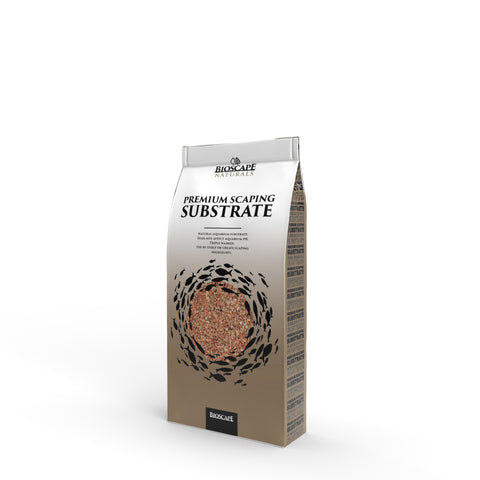
Arag-Alive Natural Reef 16lb* (7.257kg)
Coarse grains that stay put where flow scours fine sand. CaribSea Arag-Alive Natural Reef is a biologically active aragonite substrate supplied damp in a 16 lb (7.257 kg) bag, with a grain size of 3.0 to 5.5 mm. At that size it is closer to a fine gravel than a sand, and that is the point - it is the grade to reach for in high-flow reef tanks and under rockwork where a 0.25 mm sand would be blown into drifts. It raises pH and carbonate hardness, so it is a marine, reef and African cichlid substrate.
Key features
- 3.0 to 5.5 mm coarse grain - heavy enough per grain to resist scouring from powerheads and return flow that would move a fine sand.
- Live bacteria supplied in the bag - it arrives damp and biologically active, so a new bed begins processing ammonia sooner than dry substrate would.
- No rinsing - CaribSea's instruction is to place the contents directly into the aquarium.
- Large open pore spaces - water moves through a coarse bed rather than sitting in it, which is why coarse grades are used in high-flow zones.
- Buffers pH and alkalinity - aragonite adds carbonate to the water instead of consuming it.
- Natural mixed reef colouration - the colour comes from the coral and shell fragments themselves.
How much do I need?
Natural Reef comes in a 7.257 kg bag, smaller than the 9.072 kg Arag-Alive sands, so bag counts run higher for the same tank. Figures are worked from CaribSea's published bulk density of 85 lb per cubic foot (1.36 kg per litre of bed).
| Tank footprint | 2.5 cm bed | 5 cm bed |
|---|---|---|
| 60 x 30 cm | 6.1 kg - 1 bag | 12.3 kg - 2 bags |
| 90 x 38 cm | 11.6 kg - 2 bags | 23.3 kg - 4 bags |
| 120 x 45 cm | 18.4 kg - 3 bags | 36.8 kg - 6 bags |
| 150 x 60 cm | 30.6 kg - 5 bags | 61.3 kg - 9 bags |
| 180 x 60 cm | 36.8 kg - 6 bags | 73.5 kg - 11 bags |
The table stops at 5 cm deliberately. A deep bed in a 3.0 to 5.5 mm grade is not a deep sand bed - the pore spaces are far too large to go anoxic in the way a fine bed does, and instead the gaps collect detritus that you then cannot siphon out. Keep this grade shallow.
How these figures are worked out
CaribSea publishes a bulk density for every substrate. Bed volume is the tank footprint multiplied by the depth you want, and the weight is that volume multiplied by the density. Bag counts are rounded up to the next whole bag.
Two practical adjustments. Rockwork sitting on the glass displaces sand, so a heavily aquascaped tank needs a little less than the table says. A bed that slopes from front to back needs the average depth, not the deepest point.
Specifications
| Grain size | 3.0 to 5.5 mm |
|---|---|
| Bag weight | 16 lb (7.257 kg) |
| Bulk density | 85 lb per cubic foot (1.36 kg per litre) |
| Bed volume per bag | Approximately 5.3 litres |
| Material | Aragonite, supplied damp and biologically active |
| Effect on water | Raises pH and carbonate hardness |
| Rinsing | Not required, and not recommended |
| Water type | Marine and reef; also hard, alkaline African cichlid tanks |
| Recommended bed depth | 2.5 to 5 cm - not suited to deep beds |
| Supplier code | CS0799 |
Which CaribSea reef sand should I choose?
| Grade | Grain size | Bag | Bacteria in the bag | Best for |
|---|---|---|---|---|
| Arag-Alive Bimini Pink | 0.5 to 5.0 mm | 9.072 kg | Yes | Mixed pink bed with visible shell fragments; holds position under moderate to strong flow |
| Arag-Alive Hawaiian Black | 0.25 to 3.5 mm | 9.072 kg | Yes | Dark contrast beds; the finest of the three live grades |
| Arag-Alive Natural Reef | 3.0 to 5.5 mm | 7.257 kg | Yes | Coarse gravel grade for high-flow zones and beds under rockwork |
| AragaMax Select | 0.5 to 1.0 mm | 13.63 kg | No, dry sand | Fine uniform oolitic bed, lowest cost per kilogram |
We also stock CaribSea Arag-Alive Fiji Pink and Arag-Alive Special Grade Reef if none of the four above is the grain size you are after.
Suitable for, and not suitable for
Suitable for: high-flow reef tanks where fine sand piles into drifts; the bed under and around rockwork; sump and overflow chambers; hard, alkaline African cichlid tanks; anyone who has given up on a fine bed after repeatedly redistributing it by hand.
Not suitable for: jawfish, sand-sifting gobies and wrasses that burrow or sift - the grain is far too large for them to handle, and for those tanks AragaMax Select at 0.5 to 1.0 mm is the right call. It is also unsuitable as a deep denitrifying bed, and unsuitable for planted, soft-water or blackwater freshwater aquariums.
Care and maintenance
Coarse beds trap detritus in the gaps between grains, so this grade rewards actual gravel-vacuuming rather than the light surface siphoning a fine sand gets. Work the siphon into the bed at water changes.
Keeping the bed shallow is what makes that possible. At 2.5 cm you can reach the glass; at 7.5 cm you cannot, and the lower layer becomes a detritus reservoir you have no way to service.
Goes well with
- CaribSea Life Rock Shapes - aquascaping rock to sit on the glass with the substrate filled in around it.
- CaribSea South Seas Base Rock - structural rock for the foundation of a scape.
- CaribSea Arag-Alive Bimini Pink - a middle grade at 0.5 to 5.0 mm if Natural Reef is coarser than you want.
Warranty and delivery
CaribSea does not publish a warranty term for its substrates. Your rights under the Australian Consumer Law apply regardless of that, and are not limited by anything the manufacturer does or does not offer.
Each bag weighs 7.257 kg. Because the bags are smaller than the 20 lb sands, a large tank runs to a lot of them - a 180 x 60 cm footprint at 5 cm depth is eleven bags, close to 80 kg.
Common questions
Is Natural Reef a sand or a gravel?
At 3.0 to 5.5 mm it behaves as a fine gravel. It is the coarsest of the CaribSea live grades we stock, and it is chosen for stability under flow rather than for the look or feel of a sand bed.
Can I keep a sand-sifting goby over it?
No. Sifting gobies, wrasses and jawfish need a grain they can lift and pass through their gills or burrow into, and 3.0 to 5.5 mm is well beyond that. Choose a fine grade for those tanks.
How deep should the bed be?
Between 2.5 and 5 cm. Coarse substrate does not form a functioning deep sand bed, and a deep layer simply accumulates detritus in the gaps where a siphon cannot reach it.
Does it need rinsing?
No. CaribSea supplies all Arag-Alive products damp and biologically active, and the instruction is to place the contents straight into the aquarium.
Why is the bag 16 lb when the other Arag-Alive sands are 20 lb?
CaribSea packs Natural Reef in a 16 lb (7.257 kg) bag. Factor that into your bag count, because the same bed depth needs roughly a quarter more bags than a 20 lb grade at similar density.
Will it stop my sand blowing into drifts?
It substantially reduces it. Each grain is far heavier than a fine sand grain, so it takes much more flow to move. No substrate resists a powerhead aimed straight down at it from close range.