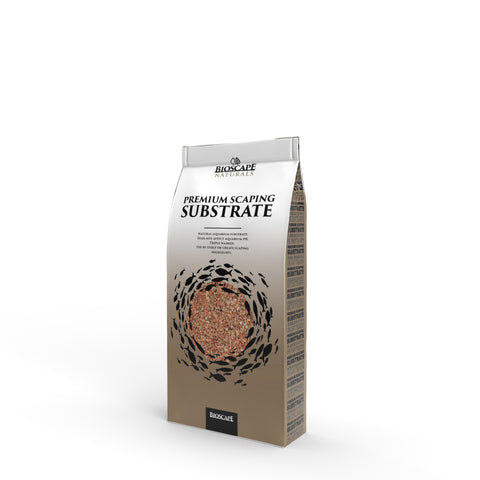
Bioscape Coral Sand 1mm Diameter


Water type
Marine + African Cichlid
Bioscape Coral Sand 1mm Diameter
A fine coral and aragonite substrate that keeps marine and cichlid tanks buffered. Bioscape Coral Sand is a 1mm grain substrate of crushed coral and aragonite, sized for an even, natural-looking sand bed that also holds pH and hardness stable over time.
Key features
- Coral and aragonite blend — calcium carbonate media that slowly dissolves to release calcium and carbonate into the water.
- 1mm fine grain — fine enough for sand-sifting fish, gobies and burrowing invertebrates to move through naturally, unlike coarse rubble or gravel.
- pH and alkalinity buffer — helps hold water parameters stable, which is what marine and African cichlid systems are built to run at.
- High surface area — supports beneficial bacteria for extra biological filtration wherever it's used.
Specifications
| Composition | Crushed coral and aragonite |
|---|---|
| Grain size | 1mm diameter |
| Colour | Natural neutral tones |
| Function | pH/alkalinity buffer, fine substrate bed, biological filtration media |
Which size do I need?
| Variant | SKU | Price |
|---|---|---|
| 5kg bag | COR01 | $43.95 |
| 10kg bag | COR02 | $74.95 |
Bioscape has not published a coverage depth per kilogram for this sand, so we can't give an exact bag-to-tank-footprint figure here. As a general reference point, aquarium sand is commonly run at a 2–5cm bed depth, but check your own footprint and desired depth before ordering, and round up rather than down if you're unsure.
Coral Sand vs Coral Rubble — which do I need?
Sand's fine 1mm grain is what you want for the visible substrate bed — it's what sand-sifting fish and gobies can actually move through, and it settles into an even, natural-looking layer. Bioscape Coral Rubble's larger 20–50mm pieces are better suited to structural jobs — sump and refugium media, or a base layer under reef and cichlid rockwork. Reef and cichlid setups often run sand as the visible bed with rubble hidden in the sump for extra buffering.
Suitable for, and not suitable for
- Suitable for: marine and reef aquariums, African cichlid tanks, and setups wanting a fine, natural-look substrate that also buffers water chemistry.
- Not suitable for: soft or acidic-water setups — South American cichlids, most planted tanks and blackwater biotopes — where the rising pH and hardness from dissolving carbonate works against the tank you're trying to keep.
Care and maintenance
Rinse before adding to settle dust from bagging and transit — coral sand this fine will cloud the water noticeably if added dry. Buffering capacity reduces as the sand dissolves over years; test alkalinity periodically in heavily stocked reef systems.
Warranty and delivery
Natural product — exact grain colour and tone vary bag to bag, and photos are representative. Any fault on arrival is covered under your consumer guarantee rights under Australian Consumer Law.
Common questions
Will this cloud my water when I add it?
Yes, briefly, if added dry — rinse it first in a bucket until the runoff runs mostly clear, then add it to reduce clouding.
How deep should I lay it?
Bioscape hasn't published a coverage figure. A 2–5cm bed is a common real-world starting depth for aquarium sand, but check what your stocking (e.g. sand-sifting fish, burrowing inverts) actually needs before deciding.
Is this safe for a planted freshwater tank?
It will buffer pH and hardness upward over time, which suits most plants poorly and works against soft-water species — it's built for marine and African cichlid systems, not general planted freshwater tanks.