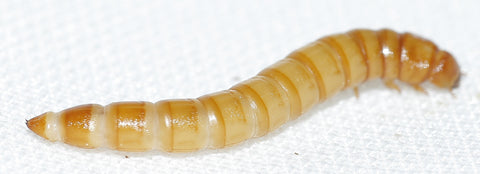
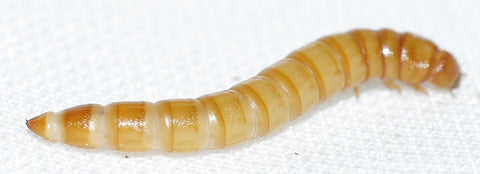
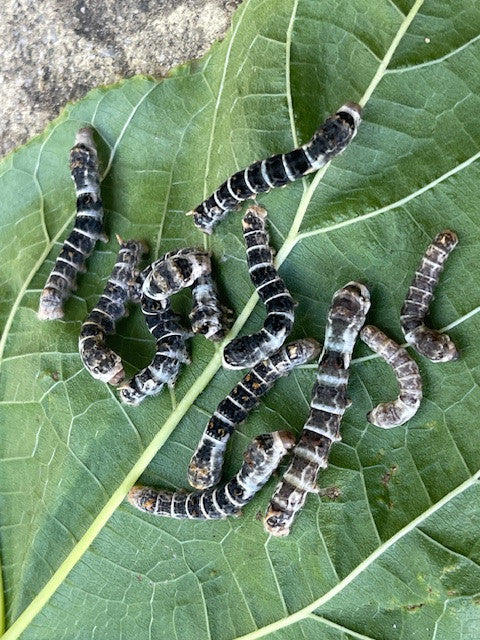
Superworms 20g


Species
Superworm (Zophobas morio)
Calcium : phosphorus
0.06:1 to 0.13:1 (calcium-poor — always dust)
Pack size
20 g
Superworms 20g
The small tub, matched to how often superworms should actually be fed.
Superworms (Zophobas morio) are supplied live in a 20 g tub. This is the size for one animal using superworms as an occasional feeder — a treat, a way to tempt a lizard back onto food after a shed, or a change from crickets and roaches. It is deliberately small, because superworms are not a feeder you want to be getting through quickly.
Which size do I need?
Keepers size feeders by a rule of thumb: a feeder should be no wider than the space between the animal's eyes. Judge width, not length.
Superworms come at one larval size, and it is a large one. There is no smaller superworm grade — if these are wider than your animal's eye gap, choose a different feeder rather than a smaller pack. Too wide risks choking and impaction.
How many do I need?
One tub, one animal, used sparingly. If you are getting through a 20 g tub in a few days, superworms are almost certainly making up too much of the diet.
A useful check: superworms should be the feeder your animal is pleased to see, not the one it expects. If you feed several animals or run superworms in a regular rotation, the larger tubs work out better.
Nutrition
Superworms are rich, and that is the whole point of them. A published review of the species reports crude fat between 35.0 and 43.6 percent of dry matter — high enough that a superworm will tempt an animal that has turned its nose up at everything else, and high enough that a steady diet of them puts weight on.
They are also strongly calcium-poor. The same review reports calcium at 31.9 to 70.8 mg per 100 g of dry matter against phosphorus at roughly 563 mg per 100 g — a calcium-to-phosphorus ratio of about 0.06:1 to 0.13:1, where an insectivore needs closer to 2:1 in the other direction. Undusted, that shortfall causes metabolic bone disease.
Gut-loading and dusting
Gut-load for 24 to 48 hours on a calcium-rich food, dust with calcium immediately before offering, and feed out promptly.
A veterinary study that gut-loaded superworms on a high-calcium cricket feed recorded a calcium-to-phosphorus ratio of 1.47:1 at 48 hours, with calcium falling from about 0.95 percent of dry matter at day two to 0.43 percent by day seven. Gut-loading works, but it fades — feed the worms while it counts.
With a tub this size it is easy to tip a few worms into a container, shake with powder and offer straight away. Use calcium with D3 where the animal has no UVB; where good UVB is provided, plain calcium is usually the better choice.
Keeping them alive at home
Keep the tub at room temperature, out of direct sun, with the lid ventilated. Do not refrigerate superworms — unlike mealworms, they do not tolerate the cold and a night in the fridge will kill them.
Add bran or oat bedding and a slice of carrot or potato for moisture, replaced before it moulds. A tub this size should be fed out well before pupation becomes a question.
Suitable for, and not suitable for
Suitable for a single adult or larger juvenile bearded dragon, blue-tongue skink, water dragon, monitor, larger gecko or turtle.
Not suitable for hatchlings or small juveniles, where the size and hard outer shell are a genuine impaction risk. Not suitable as a staple, and not suitable for an animal already carrying too much weight.
Safety and welfare
Superworms have strong mandibles and will bite. Offer them with tongs rather than fingers, and remove any that are not taken rather than leaving them loose with a torpid animal.
Keep the tub closed and out of reach of children, and wash hands after handling feeders or cleaning containers.
Goes well with
- Exo Terra Calcium + D3 Powder — essential with a feeder this calcium-poor.
- Zoo Med Stainless Steel Feeding Tongs — the sensible way to offer a feeder that bites.
- Large Woodies — a leaner everyday feeder to build the diet around.
- Superworms 100 g — the bulk tub, for several animals or a regular rotation.
Live arrival and delivery
Live feeders are supplied for in-store collection or local delivery, with our live arrival guarantee.
Common questions
How is the 20 g tub different from the larger ones?
Only in quantity. The 20 g tub suits one animal fed superworms occasionally; the 40 g, 50 g and 100 g tubs suit several animals or a regular rotation.
How often can I feed my lizard superworms?
Treat them as an occasional feeder rather than a daily one. With crude fat between 35 and 44 percent of dry matter, superworms fed routinely will put weight on an animal that should be eating leaner insects and greens.
Can I keep superworms in the fridge like mealworms?
No. Superworms do not tolerate refrigeration and will die. Keep them at room temperature in a ventilated tub with bran bedding and a piece of vegetable.
Do superworms bite?
Yes. They have strong mandibles, so offer them with feeding tongs rather than fingers and remove any left uneaten in the enclosure.