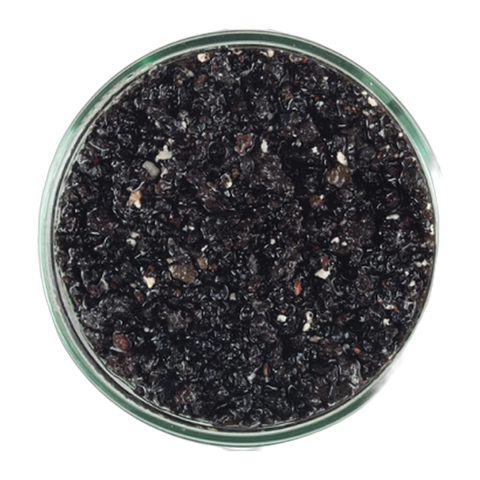
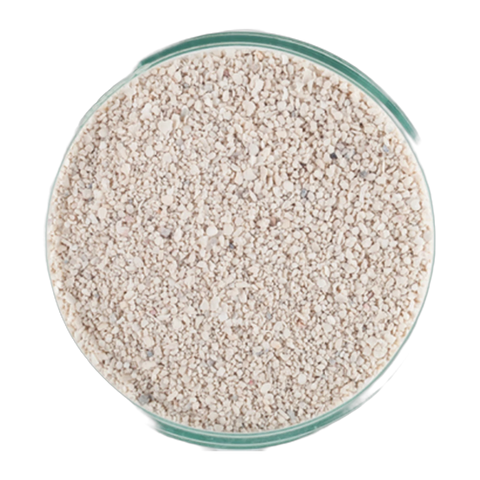
Arag-Alive Bimini Pink 20lb (9.072kg)

Pack size
20 lb (9.072 kg) bag
Water type
Marine
Part no.
CS0796
Delivery
Heavy
Cost per kg
$8.81
Grain size
0.5 to 5.0 mm
Effect on pH
Raises pH and alkalinity
Bag covers
Tanks of 38 to 76 L
Rinse needed
No, do not rinse
Arag-Alive Bimini Pink 20lb (9.072kg)
Live bacteria in the bag, so your sand bed cycles fast. CaribSea Arag-Alive Bimini Pink is a biologically active pink aragonite reef sand supplied damp in a 20 lb (9.072 kg) bag, with a grain size of 0.5 to 5.0 mm. That is a mixed grade rather than a uniform sugar sand, so it carries enough weight to stay where you put it under moderate to strong flow. Because it is aragonite it raises pH and carbonate hardness, which makes it a marine, reef and African cichlid substrate rather than a general-purpose one.
Key features
- Packed with live bacteria - CaribSea supplies Arag-Alive damp and biologically active, which shortens the time a new bed takes to start processing ammonia.
- No rinsing - CaribSea's instruction is to open the bag and place the contents straight into the aquarium. Rinsing would wash the bacteria down the drain.
- 0.5 to 5.0 mm mixed grain - the coarser fraction anchors the bed, so it scours less readily than a fine sand at the same flow rate.
- Buffers pH and alkalinity - aragonite dissolves slowly at reef pH, adding carbonate rather than consuming it.
- Natural pink colouration - the colour comes from the shell and coral fragments in the mix, not from a coating or dye.
- Clears quickly - CaribSea states a tank should begin clearing within hours and be completely clear in 24 to 48 hours.
How much do I need?
This is the question a sand bag page has to answer. The table gives the weight of Bimini Pink and the number of 9.072 kg bags for common Australian tank footprints, worked from CaribSea's published bulk density of 90 lb per cubic foot (1.44 kg per litre of bed).
| Tank footprint | 2.5 cm bed | 5 cm bed | 7.5 cm bed |
|---|---|---|---|
| 60 x 30 cm | 6.5 kg - 1 bag | 13.0 kg - 2 bags | 19.5 kg - 3 bags |
| 90 x 38 cm | 12.3 kg - 2 bags | 24.7 kg - 3 bags | 37.0 kg - 5 bags |
| 120 x 45 cm | 19.5 kg - 3 bags | 38.9 kg - 5 bags | 58.4 kg - 7 bags |
| 150 x 60 cm | 32.4 kg - 4 bags | 64.9 kg - 8 bags | 97.3 kg - 11 bags |
| 180 x 60 cm | 38.9 kg - 5 bags | 77.8 kg - 9 bags | 116.8 kg - 13 bags |
How these figures are worked out
CaribSea publishes a bulk density for every substrate. Bed volume is the tank footprint multiplied by the depth you want, and the weight is that volume multiplied by the density. Bag counts are rounded up to the next whole bag.
Two practical adjustments. Rockwork sitting on the glass displaces sand, so a heavily aquascaped tank needs a little less than the table says. A bed that slopes from front to back needs the average depth, not the deepest point.
Specifications
| Grain size | 0.5 to 5.0 mm |
|---|---|
| Bag weight | 20 lb (9.072 kg) |
| Bulk density | 90 lb per cubic foot (1.44 kg per litre) |
| Bed volume per bag | Approximately 6.3 litres |
| Material | Aragonite, supplied damp and biologically active |
| Effect on water | Raises pH and carbonate hardness |
| Rinsing | Not required, and not recommended |
| Water type | Marine and reef; also hard, alkaline African cichlid tanks |
| Clearing time | Begins clearing within hours, clear in 24 to 48 hours |
| Supplier code | CS0796 |
Which CaribSea reef sand should I choose?
| Grade | Grain size | Bag | Bacteria in the bag | Best for |
|---|---|---|---|---|
| Arag-Alive Bimini Pink | 0.5 to 5.0 mm | 9.072 kg | Yes | Mixed pink bed with visible shell fragments; holds position under moderate to strong flow |
| Arag-Alive Hawaiian Black | 0.25 to 3.5 mm | 9.072 kg | Yes | Dark contrast beds; the finest of the three live grades |
| Arag-Alive Natural Reef | 3.0 to 5.5 mm | 7.257 kg | Yes | Coarse gravel grade for high-flow zones and beds under rockwork |
| AragaMax Select | 0.5 to 1.0 mm | 13.63 kg | No, dry sand | Fine uniform oolitic bed, lowest cost per kilogram |
We also stock CaribSea Arag-Alive Fiji Pink and Arag-Alive Special Grade Reef if none of the four above is the grain size you are after.
Setting it up
- Put the sand into an empty tank first. CaribSea is specific about this - sand into the tank, then water, not the other way round.
- Level it, then place rockwork directly on the glass wherever you can, so nothing topples if livestock excavates underneath.
- Add water slowly onto a plate or a bag laid on the sand so the stream does not crater the bed.
- Run the filtration. Expect cloudiness that clears within 24 to 48 hours.
Suitable for, and not suitable for
Suitable for: marine fish-only and reef aquariums; refugium and sump beds; hard, alkaline African cichlid tanks; tanks with moderate to strong flow where a finer sand would scour.
Not suitable for: planted freshwater aquariums, soft-water community tanks, and any species that needs an acidic pH - the sand will raise pH and carbonate hardness and you cannot switch that behaviour off. It is also a poor choice as a burrowing medium for jawfish or sand-sifting gobies, which want a fine grain they can actually pick up; AragaMax Select at 0.5 to 1.0 mm suits those better.
Care and maintenance
A shallow bed of about 2.5 cm can be lightly siphoned at water changes. Beds deeper than about 5 cm are usually left alone below the surface, because stirring accumulated material back into the water column is what causes problems.
The bed does not need replacing on a schedule. Aragonite dissolves slowly, so top up if the depth drops noticeably over several years.
Goes well with
- CaribSea Life Rock Shapes - aquascaping rock designed to sit on the glass beneath the sand bed.
- CaribSea South Seas Base Rock - lower-cost structural rock for the base of a scape.
- Red Sea Salt 10 kg - for mixing the saltwater that goes in on top.
Warranty and delivery
CaribSea does not publish a warranty term for its substrates. Your rights under the Australian Consumer Law apply regardless of that, and are not limited by anything the manufacturer does or does not offer.
Each bag weighs 9.072 kg. A 120 x 45 cm tank at 5 cm depth is five bags, close to 45 kg, so check the freight total before you order a full bed.
Common questions
Do I need to rinse CaribSea Arag-Alive Bimini Pink before use?
No. CaribSea's instruction is to open the bag and place the contents directly into the aquarium. Rinsing removes the live bacteria that are the reason for buying live sand in the first place.
How long does the tank stay cloudy?
CaribSea states that with sand, water, rock and filtration in place the tank begins clearing within hours and is completely clear in 24 to 48 hours. Adding water gently onto a plate rather than straight onto the sand makes a noticeable difference.
Can I use Bimini Pink in a freshwater tank?
Only in a hard, alkaline setup such as an African cichlid tank. Aragonite raises pH and carbonate hardness, so it is the wrong substrate for planted tanks, soft-water community fish and anything from an acidic blackwater habitat.
How deep should the sand bed be?
A shallow bed of 2.5 to 5 cm is the usual choice for a modern reef tank and is easy to keep clean. Deeper beds of 7.5 cm and up are a deliberate denitrification strategy, and once built they should be left undisturbed.
Will Bimini Pink blow around in strong flow?
Less than a fine sand will. The grain runs up to 5.0 mm, and the coarser fraction anchors the bed. Powerheads aimed straight down at the substrate will still excavate a hole in any sand, whatever the grade.
Does the pink colour fade?
The colour comes from the shell and coral fragments in the mix rather than a dye or coating, so it is not a surface layer that wears off. Coralline algae and detritus settling on the bed will change how it reads over time.