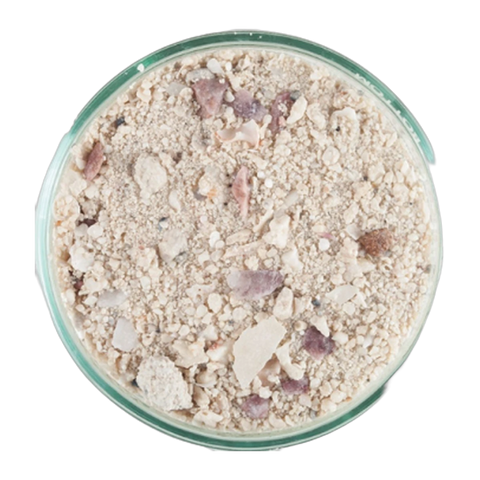
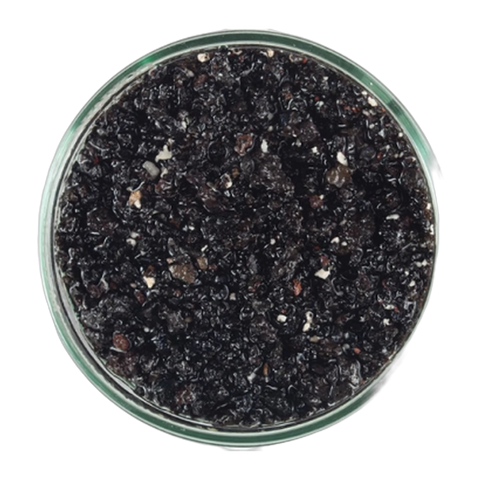
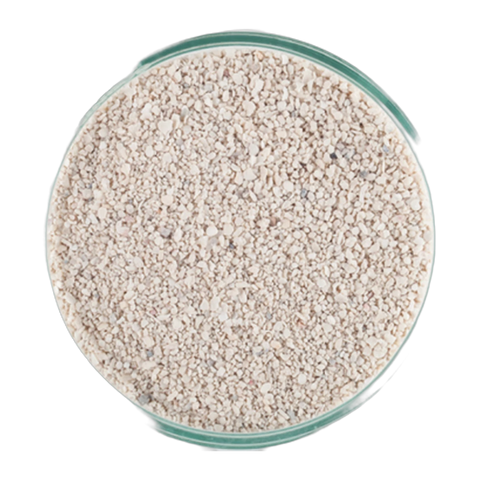
Eco-Complete Cichlid Sand 20lb (9.072kg)

Pack size
20 lb (9.072 kg) bag
Water type
Freshwater
Part no.
CS0772
Delivery
Heavy
Cost per kg
$7.38
Grain size
0.5 to 1.5 mm
Effect on pH
Maintains high pH
Bag covers
Tanks of 38 to 76 L
Rinse needed
No, do not rinse
Eco-Complete Cichlid Sand 20lb (9.072kg)
Fine enough for shell dwellers to dig, alkaline enough to keep them healthy. CaribSea Eco-Complete Cichlid Sand is an aragonite-based African cichlid substrate supplied damp in a 20 lb (9.072 kg) bag, with a grain size of 0.5 to 1.5 mm. It is the finest of the Eco-Complete Cichlid grades and the only one that lets sand-sifting and shell-dwelling species behave the way they do in the lake. It arrives packed in a water conditioning solution with live bacteria so it needs no rinsing, and being aragonite it raises pH and carbonate hardness and holds them there.
Key features
- 0.5 to 1.5 mm fine grain - small enough for shell dwellers to excavate and bank, and for sifting species to pass through their gills.
- Aragonite based - it adds calcium, magnesium and carbonate, and CaribSea states it buffers automatically for the life of the aquarium.
- Live bacteria in the bag - supplied damp and biologically active, so a new bed starts processing ammonia sooner than dry sand would.
- No rinsing - it is packed in a water conditioning solution that removes chlorine and chloramine. Rinsing washes away both that and the bacteria.
- Detritus stays on the surface - a fine bed holds waste on top where a siphon can lift it, instead of losing it into the gaps the way a coarse gravel does.
- Natural sand tone - a neutral bed that shows off the colour of Malawi and Tanganyikan fish without competing with it.
How much do I need?
Cichlid Sand is the densest substrate in the Eco-Complete Cichlid range at 92 lb per cubic foot (1.47 kg per litre of bed), so a given depth costs more kilograms here than in either coarse grade. The table gives the weight and the number of 9.072 kg bags for common Australian tank footprints.
| Tank footprint | 2.5 cm bed | 5 cm bed | 7.5 cm bed |
|---|---|---|---|
| 60 x 30 cm | 6.6 kg - 1 bag | 13.3 kg - 2 bags | 19.9 kg - 3 bags |
| 90 x 38 cm | 12.6 kg - 2 bags | 25.2 kg - 3 bags | 37.8 kg - 5 bags |
| 120 x 45 cm | 19.9 kg - 3 bags | 39.8 kg - 5 bags | 59.7 kg - 7 bags |
| 150 x 60 cm | 33.2 kg - 4 bags | 66.3 kg - 8 bags | 99.5 kg - 11 bags |
| 180 x 60 cm | 39.8 kg - 5 bags | 79.6 kg - 9 bags | 119.4 kg - 14 bags |
How these figures are worked out
CaribSea publishes a bulk density for every substrate. Bed volume is the tank footprint multiplied by the depth you want, and the weight is that volume multiplied by the density. Bag counts are rounded up to the next whole bag.
Two practical adjustments. Rockwork and caves sitting on the glass displace sand, so a heavily scaped tank needs a little less than the table says. A bed that slopes from front to back needs the average depth, not the deepest point.
Shell dwellers need more than the standard depth
The figures above assume a normal display bed. Tanganyikan shell dwellers dig pits and bank sand around their shells, and for those species a working depth is 5 to 7.5 cm rather than 2.5 cm. Read the deeper columns for a multifasciatus or brevis tank.
Specifications
| Grain size | 0.5 to 1.5 mm |
|---|---|
| Bag weight | 20 lb (9.072 kg) |
| Bulk density | 92 lb per cubic foot (1.47 kg per litre) |
| Bed volume per bag | Approximately 6.2 litres |
| Colour | Natural sand tone |
| Material | Aragonite based, supplied damp in a water conditioning solution |
| Effect on water | Raises pH and carbonate hardness, and continues buffering |
| Rinsing | Not required, and not recommended |
| Water type | Freshwater - African Rift Lake and other hard, alkaline setups |
| Supplier code | CS0772 |
Which Eco-Complete Cichlid grade do I need?
| Grade | Grain size | Bulk density | Bag | Best for |
|---|---|---|---|---|
| Eco-Complete Cichlid Sand | 0.5 to 1.5 mm | 92 lb/cu ft | 9.072 kg | Shell dwellers, sand sifters and mouthbrooders that pick through the bed |
| Eco-Complete Cichlid Gravel | 4.0 to 10.0 mm | 72 lb/cu ft | 9.072 kg | Natural-toned coarse bed; the densest grade, so heavy diggers move it least |
| Eco-Complete Black Cichlid | 4.0 to 10.0 mm | 54 lb/cu ft | 9.072 kg | The same coarse grade in black, and the fewest kilograms per litre of bed |
We also stock CaribSea Eco-Complete White Cichlid if you want a brighter bed than the natural sand tone.
Living with a fine cichlid bed
Sand is the right substrate for the fish and the harder one for the aquarist. Two things follow from a 0.5 to 1.5 mm grain that do not apply to the coarse grades.
The first is movement. Mbuna and haps redistribute a fine bed constantly, and a filter outlet or powerhead aimed low will scour a hollow and pile a drift against the far glass. Aim flow across the bed rather than into it, and expect to level it by hand occasionally.
The second is depth. Fine sand compacts, and a bed much over 7.5 cm that is never disturbed can develop anaerobic pockets. In a shell dweller tank the fish do the disturbing for you. In a tank without diggers, run a shallower bed or push a finger through it now and then.
Suitable for, and not suitable for
Suitable for: Tanganyikan shell dwellers such as multifasciatus, similis and brevis; sand-sifting species including Enantiopus and Xenotilapia; Lake Malawi mbuna and hap tanks where you want the fish sifting naturally; Central American cichlids in hard alkaline water.
Not suitable for: planted aquariums, soft-water community tanks, blackwater and Amazonian setups, shrimp tanks, and discus or apistogramma systems - aragonite raises pH and carbonate hardness and there is no way to stop it. It is also the wrong choice directly beneath a downward-facing powerhead, and it is not the grade to pick if you want a contoured bed to stay contoured.
Setting it up
- Put the sand into an empty tank first, and pour in the liquid from the bag with it - that liquid is the water conditioner and the bacterial culture.
- Level it, then place rockwork directly on the glass rather than on the sand, so a fish digging underneath cannot topple a rock pile.
- Add water slowly onto a plate or a bag laid on the sand, or you will crater the bed and cloud the tank badly.
- Run filtration. Expect cloudiness while the fines settle and the filter clears them.
Care and maintenance
Siphon the surface rather than digging in. Waste sits on top of a fine bed, so hovering the siphon just above the sand lifts detritus without pulling the substrate up the hose.
Rock stability is the thing to keep an eye on. Cichlids excavate under rockwork, and a cave built on sand rather than on the glass will eventually subside. Check the scape every few months.
Buffering capacity is consumed very slowly as aragonite dissolves, so there is no replacement schedule. Top up if the depth drops noticeably over several years.
Goes well with
- CaribSea Eco-Complete Cichlid Gravel - the coarse grade, useful under rockwork where a fine sand would be excavated away.
- Dragon Stone Freshwater Rock - pitted rock for the caves and sight breaks a Rift Lake scape needs.
- Hikari Cichlid Excel Pellet 250g - a vegetable-based pellet suited to the herbivorous Malawi species often kept over sand.
Warranty and delivery
CaribSea does not publish a warranty term for its substrates. Your rights under the Australian Consumer Law apply regardless, and are not limited by anything the manufacturer does or does not offer.
Each bag weighs 9.072 kg, and this is the densest grade in the range. A 150 x 60 cm tank at 5 cm depth is eight bags, over 72 kg, so check the freight total before ordering a full bed.
Common questions
Do I need to rinse CaribSea Eco-Complete Cichlid Sand?
No. It is supplied damp in a water conditioning solution with live bacteria, and CaribSea's instruction is to place the contents straight into the aquarium. Rinsing removes the conditioner and the bacterial culture.
Is it fine enough for shell-dwelling Tanganyikans?
Yes. At 0.5 to 1.5 mm it is fine enough for species such as Neolamprologus multifasciatus to excavate pits and bank sand around their shells. Give them 5 to 7.5 cm of depth so there is something to dig into.
Will it cloud the tank?
Briefly. Fine substrate always releases some fines on filling, and adding water onto a plate rather than straight onto the bed makes a large difference. The filter clears the remainder over the following day or two.
How does it compare with the gravel grades?
Cichlid Sand is 0.5 to 1.5 mm and 92 lb per cubic foot; both coarse grades are 4.0 to 10.0 mm and lighter per litre. Sand allows natural digging and sifting and keeps waste on the surface, but it moves under flow and under fish. Gravel holds its shape but hides detritus in the gaps.
Can I use it in a planted or soft-water tank?
No. Aragonite raises pH and carbonate hardness, which suits Rift Lake cichlids and works against plants, shrimp and soft-water fish. Eco-Complete Planted Black is the carbonate-free option for those tanks.
How deep should the bed be?
2.5 to 5 cm for a general Rift Lake display, and 5 to 7.5 cm where shell dwellers or sifting species need something to work in. Very deep undisturbed fine beds can develop anaerobic pockets, so match the depth to whether anything in the tank actually digs.