Assorted Java Fern Medium And Large


Low light. Grows under most standard aquarium lights.
How much light this plant needs to grow well. More light speeds growth but also needs more nutrients and CO2 to keep algae in check.
General guide only. Every tank is different, so make one change at a time and watch how the plant responds.
Not required. Grows without added CO2.
Plants use carbon dioxide (CO2) to grow. Some do fine on what is already in the water, while others need extra CO2 added with a CO2 system.
General guide only. Every tank is different, so make one change at a time and watch how the plant responds.
Epiphyte. Tie or glue it onto wood or rock instead of planting it in the gravel. For plants like Anubias and Java fern, keep the rhizome (the thick creeping stem) out of the substrate, as burying it can make it rot.
Where this plant usually goes in a planted tank, based on how tall and bushy it grows.
General guide only. Every tank is different, so make one change at a time and watch how the plant responds.
Slow. Needs little trimming. Keep algae off its leaves.
How quickly this plant usually grows. Faster plants need more trimming, but they also use up nutrients that algae would otherwise feed on.
General guide only. Every tank is different, so make one change at a time and watch how the plant responds.
The water temperature range this plant grows well in. Most tropical aquarium plants suit a heated tank.
General guide only. Every tank is different, so make one change at a time and watch how the plant responds.
pH measures how acidic or alkaline the water is. This plant grows best within the range shown.
General guide only. Every tank is different, so make one change at a time and watch how the plant responds.
A good choice for beginners and low-tech tanks.
Our rating of how easy this plant is to grow.
General guide only. Every tank is different, so make one change at a time and watch how the plant responds.
Where it's found in the wild
Tropical & subtropical Asia
- Natural range
Range details
Range: Found across tropical and subtropical Asia, from India and the Himalayan foothills through southern China, Taiwan and South-east Asia to New Guinea. A fern of the wet tropics that grows on rocks or in wet ground.
Map shading is approximate and shows the natural range in the wild, not every place it lives.
Colour & specimen: This plant's colouration - especially reds and pinks - may look different in your own tank depending on your lighting schedule and the type of lights you're running. You will not receive this exact plant pictured; the one you receive will be a similar size, colour and condition.
WA & TAS orders: state biosecurity regulations restrict which live animals can be sent to Western Australia and Tasmania – please check what we can send to you before ordering. See delivery info
Assorted Java Fern Medium And Large
Java Fern is about as close to bulletproof as an aquarium plant gets, and our assorted medium and large specimens give you established, ready-to-attach ferns. Tie the rhizome to a piece of wood or rock and it asks for little more than time. Ideal for beginners, low-tech tanks and anyone who has struggled to keep plants alive.
Natural Habitat
Microsorum pteropus grows on rocks and roots along streams and waterfalls across South-East Asia, often emersed in the splash zone and fully submerged when water levels rise. As a true epiphyte it takes hold of hard surfaces rather than rooting into soil, which is exactly how it should be grown in the aquarium.
Appearance
Healthy Java Fern carries leathery, deep-green leaves rising from a creeping green rhizome threaded with fine dark roots. Leaf shape varies across the assortment, from broad and simple to narrow or trident forms. A mature clump reaches around 20–35 cm tall; the medium and large plants supplied are already well developed and will keep spreading. Small black bumps on the undersides of leaves are not disease but baby plantlets forming.
Placement and Aquascaping
A midground to background epiphyte, superb on driftwood, branches and rockwork. Never bury the rhizome in the substrate – buried, it rots and the plant fails. Attach it to hardscape and let the leaves lift into the water column.
Planting and Propagation
Remove any pot or rockwool and tie the rhizome to wood or rock with cotton thread, fishing line or a dab of gel superglue; it will grip on its own within weeks. Propagate by dividing the rhizome into sections, each with a few leaves, or by detaching the plantlets that sprout on older leaves once they have their own roots.
Care Requirements
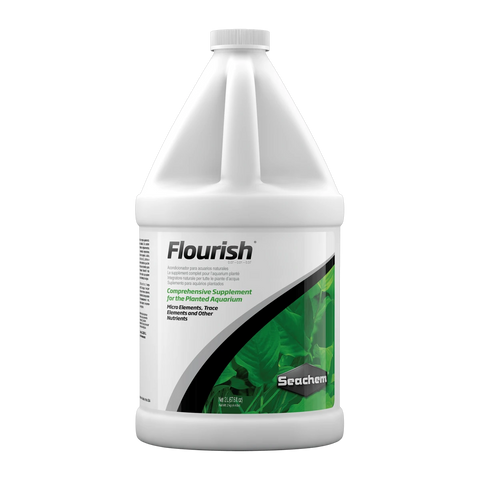
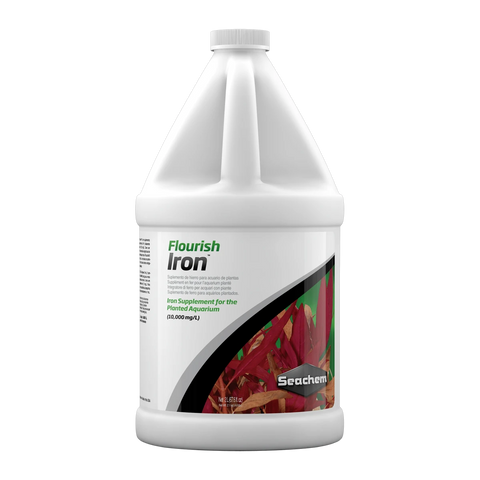
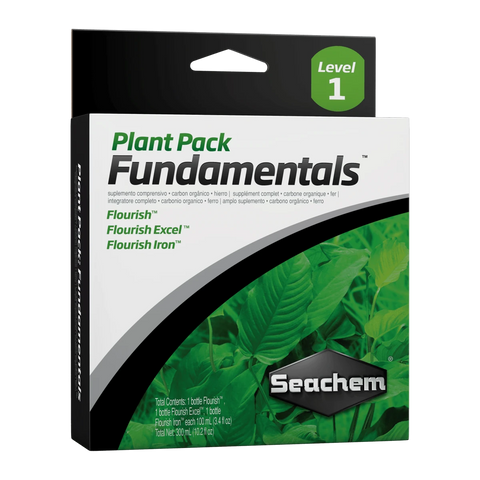
Low to moderate light, no CO2 required and a temperature of 20–28 °C. It feeds mainly from the water column, so a regular liquid fertiliser keeps leaves dark and firm; root tabs are unnecessary for an epiphyte. Growth is slow, so wipe or manage algae on older leaves rather than relying on the plant to outpace it.
Species Information
| Scientific Name | Microsorum pteropus |
| Common Name | Java Fern |
| Origin | South-East Asia |
| Maximum Height | 20–35 cm |
| Growth Rate | Slow |
| Difficulty | Beginner |
| Placement | Midground / Background (Epiphyte) |
| Lighting | Low to Moderate |
| CO2 Requirement | Not required |
| Fertilisation | Liquid fertiliser (water column feeder) |
| Water Temperature | 20–28 °C |
| pH Range | 5.5–7.5 |
| GH Range | 2–15 dGH |
| Propagation | Rhizome division & leaf plantlets |
| Salinity | Not applicable (freshwater) |
| Suitable For | Beginners, low-tech tanks, goldfish & cichlid tanks |
Suitable Tank Mates
One of the few plants that shrugs off goldfish and many cichlids thanks to its tough, slightly bitter leaves. Excellent with community fish, shrimp, snails and boisterous species that would flatten softer plants.
Avoid Keeping With
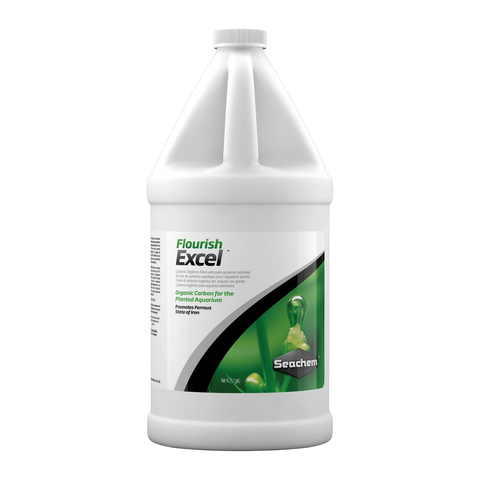
Very few problems, though determined rhizome-nibblers and large plecos may rasp at older leaves. The main way to kill it is to bury the rhizome or dose too much liquid carbon, which some ferns resent, so introduce carbon supplements cautiously.
Australian-grown aquarium plants for in-store collection or local delivery. Sold sizes/portions reflect what we stock; anything shown as sold out will return as we restock.
Check compatibility
See how Assorted Java Fern Medium And Large gets along with the rest of your tank. Our Aquarium Compatibility Checker scores tank size, aggression, diet and water type against everything else you're keeping.
Open the Compatibility Checker for Assorted Java Fern Medium And Large →
Is your tank ready?
Is your tank ready?
A few quick checks before you buy save most of the common losses.
Tank size for the adult, not the juvenile
Check the species page for max size and minimum tank size, and size your tank for what this animal will grow into – not what it looks like today.
Cycle first
Your tank needs an established nitrogen cycle before livestock goes in. Adding fish to an uncycled tank is one of the most common causes of early losses.
Match the conditions
Check temperature and pH on the species page against what your tank currently runs, and make sure you've got the right gear – a heater for tropical species, adequate filtration turnover, lighting and CO2 for planted tanks, or the right salinity setup for marine.
Start conservative
New to the hobby? Start with a small number of hardy species and add slowly – overstocking a new tank is one of the fastest ways to crash your water quality.
Ready to place your first order? See our Buying Livestock Online – Start Here guide for the full walkthrough of packing, delivery, arrival day and acclimation.
Delivery options
Where we ship
We are based in Brisbane and ship live fish and corals to most of Australia. Some states have import rules that may affect what we can send and the cost.
- Western Australia: Import requirements and fees may apply. Read first.
- Tasmania: Import requirements and fees may apply. Read first.
- Northern Territory: May require a permit and be subject to quarantine.
- Regional and remote areas: Carrier options can be limited, which may affect service and transit time.
If you are unsure we can reach your location, please contact us before ordering.
Airport to Airport (Toll Air Express)
Air freight from our local airport to your destination airport.
- Cost: $100
- Transit: Up to 16 hours
- DOA cover: Yes
- Dispatch: Thursday night for Friday airport pickup. Order by Thursday.
Priority Same Day Airport to Airport
Fast air freight from our local airport to your destination airport, available on request.
- Cost: $185
- Transit: Up to 12 hours
- DOA cover: Yes
- Dispatch: Monday to Thursday. Contact us to arrange.
Door to Door (Toll Priority)
We collect from our store and deliver directly to your address.
- Cost: $100
- Transit: 24 to 48 hours
- DOA cover: No
- Dispatch: Order by 6am on the day of dispatch. Orders after this cut off move to the next dispatch day.
Star Track Priority (Door to Door)
Combined road and air freight, delivered to your door.
- Cost: $55
- Transit: 24 to 72 hours
- DOA cover: No
- Dispatch: Monday, Tuesday and Wednesday. Order by 10am on the day of dispatch.
A note on timing: All transit times are estimates and can vary with your location, the weather, and carrier schedules. Regional and remote areas may take longer. To give your livestock the safest trip, please order early in the week.
Packed Safe
Live Fish
- Oxygen-filled bags – each fish is bagged in clean water from its own system with a generous charge of pure oxygen, giving many hours of safe transit time.
- Double or triple bagging – spiny or sharp-finned species (catfish, plecos, marine oddballs) are multi-bagged with liners so a spine can't cause a leak.
- Dark, calm transit – bags are packed upright in the dark, which keeps fish calm and lowers their oxygen use during the trip.
Live Corals & Inverts
- Individually bagged or cupped – each coral travels in its own bag or rigid cup of system water, sized so the piece can't knock against the sides.
- Frags secured – frag plugs are held so they can't tumble or land face-down against the polyps.
- Inverts packed to species – shrimp, snails, starfish and anemones each get the packing method that suits them, not a one-size-fits-all bag.
Live Plants & Tissue Cultures
- Moist, not swimming – plants travel wrapped in damp paper inside sealed bags, which prevents both drying out and rot in transit.
- Tissue culture cups sealed – cultures stay in their sterile cups, cushioned so lids can't pop.
The Box
- Insulated foam boxes – all livestock ships in polystyrene-lined cartons to hold temperature steady.
- Heat or cool packs by season – we add heat packs in winter and cool packs in summer heat waves, based on the forecast for your delivery route.
- Void fill and bracing – bags are braced so nothing shifts, even if the box travels on its side.
When Your Box Arrives
Open the box promptly, check everyone in, and follow our Acclimation Guide before releasing anything into your tank. If something has gone wrong in transit, take photos of the unopened bags straight away and see our Live Fish Arrival Guarantee for what to do next.
Questions about packing or shipping to your area? Email us at sales@nicksaquariumoceanariumterrarium.com.au – we're always happy to talk through it before you order.
Arrive Alive Guarantee
Dead on Arrival (DOA) Cover
DOA cover applies only to livestock shipped by air freight. It gives you peace of mind that eligible animals are covered if they arrive deceased. Full terms are in our Live Fish Arrive Guarantee.
How to make a claim
- Take clear photos or video of the deceased livestock in the sealed, unopened inner bag.
- If double bagged, you may remove the outer bag, but the inner bag must stay sealed.
- Take individual photos or video of each animal once unbagged, where applicable.
- Send your claim by email or text message within 4 hours of receiving your order. Claims by Facebook Messenger or phone cannot be accepted, and claims made after 4 hours may be declined.
- Please include: your name, order number, approximate time received, number of bags affected, and quantity of livestock affected.
If your claim is approved
We will offer store credit or a replacement of the same item, subject to availability. Replacement shipping is covered only if more than 50 percent of your order arrives DOA. Shipping charges and fees are non-refundable.
To keep your cover valid
Be present at the airport or at home to receive your order, and collect it promptly. Livestock left unattended, returned to a depot, or delayed in collection may void cover. We can only ship to a valid residential or business address, not PO boxes or third-party addresses.
Quarantine
Why quarantine
Quarantining new arrivals before they go into your main tank protects the fish you already have from disease, and gives new stock time to settle and start feeding under close observation.
Freshwater Fish
- Duration: 2 to 4 weeks in a bare-bottom tank with a cycled sponge filter.
- Watch for: white spots, flicking or scratching, laboured breathing, clamped fins, and loss of appetite, checked twice daily.
- Medication: only if a problem appears – quarantine is for observation, not routine treatment.
Marine Fish
- Duration: around 4 weeks minimum.
- Options: observation only, a copper treatment held at 2.0 to 2.5 ppm for at least 30 days, or the Tank Transfer Method (four transfers over about 12 days).
- Flukes and worms: treated with praziquantel, with a repeat dose about a week after the first.
Full details: see our Fish Quarantine Guide, and our Freshwater Fish Quarantining at Home and Marine Fish Quarantining at Home guides, for tank setup, dosing, and day-by-day steps.
Acclimation
Before you start
Test your aquarium water, gather a clean bucket and net, and dim the room lights. Never pour transport bag water into your aquarium – always net your livestock out and discard the bag water, since acclimating too quickly after CO2 build-up in the bag can make trapped ammonia rapidly more toxic.
Freshwater Fish
Float the sealed bag for about 15 minutes to match temperature, then open it into a bucket and add roughly a cup of aquarium water every 5 minutes for about 45 minutes. Net the fish into the tank, keep the lights off for the rest of the day, and hold off feeding until the next day.
Marine Fish
Use the same cup method as freshwater fish, but keep the lights off or dimmed for at least 12 hours after introduction, and hold off feeding until the next day. We recommend quarantining marine fish before adding them to your display.
Corals, Clams & Invertebrates
- Drip acclimation is recommended: 1 to 2 drops per second until the bucket volume has at least doubled, around 45 minutes for fish-safe inverts and 60 to 90 minutes for corals and clams. Echinoderms such as starfish, urchins and sea cucumbers need the slowest acclimation of all.
- Handle corals and clams by their base, skeleton or frag plug only – never the soft tissue, polyps or mantle.
- Light acclimation: place new corals low in the tank away from strong light and flow for the first few days, then raise them gradually over 1 to 2 weeks.
Full details: see our Acclimation Guide for the complete drip and cup methods and coral dipping.
Complete the setup
Everything your new arrival needs from day one