Hot Zone: 24°C
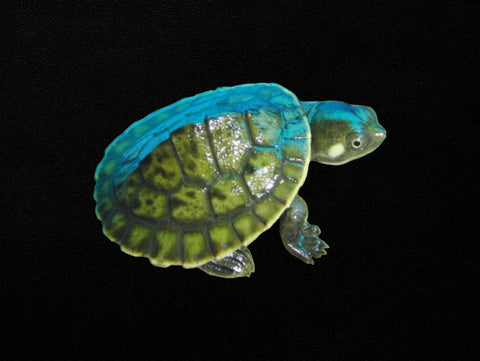
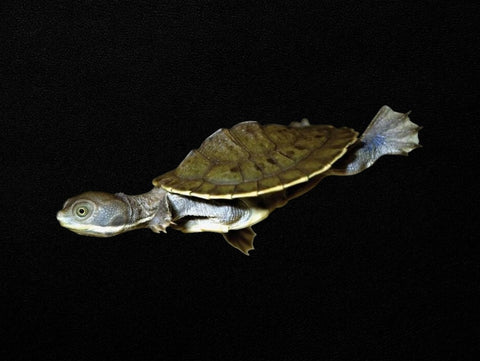
Eastern Long-necked Turtle Chelodina longicollis
Pickup available at Nicks Aquarium Oceanarium Terrarium
Usually ready in 24 hours
The Eastern Long-necked Turtle is the snake-necked turtle most people picture when they think of an Australian freshwater turtle. The neck is close to half the length of the shell, and the animal uses it the way a heron uses its own, sitting still on the bottom and striking sideways at anything that swims past. It is calm, hardy and very long-lived, and it suits a keeper with some aquarium experience who can run a properly filtered aquatic setup. Australian stock.
Natural Habitat
The Eastern Long-necked Turtle lives in slow-moving swamps, wetlands, billabongs, farm dams and the quieter reaches of streams and rivers through Queensland, New South Wales, Victoria and south-eastern South Australia. It is a bottom dweller rather than an open-water swimmer, and when its wetland dries it will walk overland to find another one, with wild animals recorded travelling several kilometres. In captivity it wants still or gently moving water it can walk along the bottom of, strong filtration to cope with a messy carnivore, and a dry basking dock it can climb out onto and dry off on completely.
Appearance
The carapace (the top shell) is broad, flattened and dark brown to almost black, and the plastron (the underside shell) is cream to pale yellow with dark seams between the plates. The long neck is grey-brown above and paler below, and it folds sideways under the lip of the shell rather than pulling straight back in. Adults reach around 25 to 26 cm of carapace, so the animal should never be bought for the size it is now. A healthy turtle has clear eyes, a firm even shell with no soft patches or pitting, unbroken skin and strong swimming. When startled or handled this species can release a pungent fluid from scent glands near the base of the legs, which is where the old nickname "stinker" comes from. It is harmless and settles as the turtle gets used to being handled.
Temperament and Compatibility
Temperament is best described as calm, deliberate and slow-moving compared with the short-necked turtles. It is an ambush hunter, so it will sit motionless for long periods and then move quickly. It is naturally solitary in the wild and is best kept on its own, though a large, heavily filtered system with more than one basking spot can hold more than one. Crowding causes competition at feeding time and leads to biting, nipped necks and damaged shells, so space and filtration decide how many you can keep, not the number of turtles you want.
Feeding
This is a carnivore and it stays a carnivore. Unlike short-necked turtles such as the Murray River Turtle, it does not shift towards plant matter as it matures, so do not build its diet around vegetables or greens. Feed whole small fish, prawn, yabbies, earthworms, insects and aquatic invertebrates, along with a quality turtle pellet. Hatchlings feed daily, adults every two to three days. Feed in the water, because the species can only swallow with its head submerged. Do not overfeed, as uneaten food is the fastest way to wreck water quality in a turtle tank.
Care Requirements
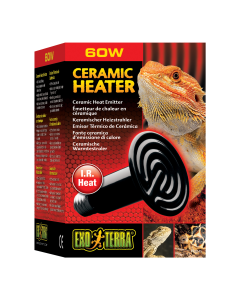
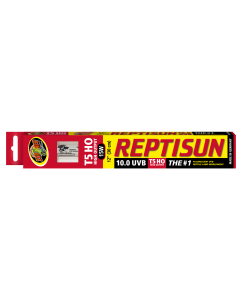
Hatchlings can start in a smaller, shallow, well-filtered tank where they can reach the surface easily, then move up as they grow. A single adult needs an aquarium or pond of at least around 120 cm long, and more water volume is always better. Keep water at 20 to 24 degrees, which is cooler than most tropical fish tanks, and provide a dry basking dock that reaches 30 to 32 degrees under a heat lamp. Run UVB lighting over the basking dock for 10 to 12 hours a day and replace the globe on the manufacturer's schedule. UVB is the ultraviolet light the turtle needs to make vitamin D3 and use calcium, and without it the shell and bones deform. The turtle must be able to leave the water and dry off fully, otherwise shell and skin infections follow. Change part of the water regularly and keep the filter well maintained.
Breeding
Eastern Long-necked Turtles lay eggs. In the wild the female leaves the water in the warmer months and digs a nest in sand or soft soil along a bank, laying a clutch of roughly 8 to 24 hard-shelled eggs, and incubation runs long at around 120 to 150 days. Breeding is not something most keepers should plan for, as it needs mature adults, dry land to nest on and the right licence.
Species Information
| Scientific Name | Chelodina longicollis |
| Common Name | Eastern Long-necked Turtle, also called the Eastern Snake-necked Turtle |
| Origin | Swamps, wetlands and slow waterways of Queensland, New South Wales, Victoria and south-eastern South Australia |
| Maximum Size | 25 to 26 cm carapace |
| Lifespan | 30 to 40 years |
| Temperament | Calm, slow-moving ambush hunter |
| Difficulty | Intermediate |
| Minimum Enclosure Size | Aquarium or pond around 120 cm long for one adult, with a dry basking dock |
| Recommended Enclosure Size | Larger aquarium or outdoor pond with strong filtration |
| Diet | Carnivore - fish, prawn, yabbies, earthworms, insects and turtle pellets. Does not become a plant eater with age |
| Basking Temperature | 30 to 32 degrees |
| Ambient Temperature | Water 20 to 24 degrees |
| UVB Required | Yes - UV Index 3.0 to 4.0 at the basking dock, 10% UVB globe. Essential for shell and bone health |
| Humidity | Aquatic species, not applicable |
| Suitable For | Intermediate keepers with aquatic setup experience |
| Licence Required | Yes - reptile keeper's licence in most Australian states |
Suitable Tank Mates
Best kept on its own. If more than one is housed, use a large, heavily filtered system with a basking spot for each turtle and watch for bullying at feeding time and over basking space.
Avoid Keeping With
Do not house with fish or invertebrates small enough to be eaten, which for this species is most of them. Do not mix with short-necked turtles or with turtles of a noticeably different size, and never crowd turtles into water volume that cannot carry them.
These are hatchlings and will grow to the adult size listed above, so plan the setup for the adult and not the animal in the tub. Australian livestock for in-store collection or local delivery, with our live arrival guarantee. A reptile keeper's licence is required to buy and keep native reptiles and amphibians in most Australian states, so please make sure you hold the right licence for your state before purchasing.
Check compatibility
Most reptiles and frogs are solitary and shouldn't be housed together without species-specific advice — even similar-looking animals can stress or injure each other. Check this species' care sheet above, or contact us before combining species in one enclosure.
Is your enclosure ready?
Is your enclosure ready?
A few quick checks before you buy save most of the common problems with new reptiles and frogs.
Size for the adult, not the juvenile
Check the species page for adult size and minimum enclosure size, and set up for what this animal will grow into — not what it looks like today.
Heating & temperature zones
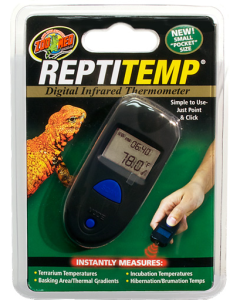
Set up proper heating on a thermostat before your animal arrives, with the correct hot and cool zone temperatures for the species — check the species page for the exact range.
UVB lighting
Most reptiles need the correct UVB tube for their species. Replace tubes on the manufacturer's schedule even if they still look fine — UVB output drops off well before the globe visibly fails.
Humidity & misting
Dial in humidity and, if the species needs it, a misting routine before your animal arrives rather than adjusting it after.
Licence & permits
Keeping a native Australian species requires a valid wildlife licence. We can't dispatch until your licence and any required permits are verified, so sort this out before you order.
Full details: see our Reptile & Amphibian Purchasing Policy and our Reptile Care Sheets for species-specific setup guides.
Delivery options
Where we ship
We are based in Brisbane and ship live fish and corals to most of Australia. Some states have import rules that may affect what we can send and the cost.
- Western Australia: Import requirements and fees may apply. Read first.
- Tasmania: Import requirements and fees may apply. Read first.
- Northern Territory: May require a permit and be subject to quarantine.
- Regional and remote areas: Carrier options can be limited, which may affect service and transit time.
If you are unsure we can reach your location, please contact us before ordering.
Airport to Airport (Toll Air Express)
Air freight from our local airport to your destination airport.
- Cost: $100
- Transit: Up to 16 hours
- DOA cover: Yes
- Dispatch: Thursday night for Friday airport pickup. Order by Thursday.
Priority Same Day Airport to Airport
Fast air freight from our local airport to your destination airport, available on request.
- Cost: $185
- Transit: Up to 12 hours
- DOA cover: Yes
- Dispatch: Monday to Thursday. Contact us to arrange.
Door to Door (Toll Priority)
We collect from our store and deliver directly to your address.
- Cost: $100
- Transit: 24 to 48 hours
- DOA cover: No
- Dispatch: Order by 6am on the day of dispatch. Orders after this cut off move to the next dispatch day.
Star Track Priority (Door to Door)
Combined road and air freight, delivered to your door.
- Cost: $55
- Transit: 24 to 72 hours
- DOA cover: No
- Dispatch: Monday, Tuesday and Wednesday. Order by 10am on the day of dispatch.
A note on timing: All transit times are estimates and can vary with your location, the weather, and carrier schedules. Regional and remote areas may take longer. To give your livestock the safest trip, please order early in the week.
Packed Safe
Secure, Ventilated Boxes
Each animal travels in a secure, well-ventilated box or breathable bag appropriate to its species and size, so it stays safely contained with adequate airflow for the whole journey — a different process to how we pack fish, corals and plants.
No Room to Move
Any empty space inside the box is filled with packing materials such as paper or bubble wrap, so containers stay secure and can't shift in transit.
Clearly Labelled
Every box is sealed with our custom packing tape and clearly labelled as livestock, so freight handlers know exactly what they're carrying.
When Your Animal Arrives
Please collect your animal promptly on arrival and allow it to settle quietly in its prepared enclosure before handling.
Questions about packing or shipping to your area? Email us at sales@nicksaquariumoceanariumterrarium.com.au — we're always happy to talk through it before you order.
Arrive Alive Guarantee
Arrive Alive Guarantee (DOA & DAA)
Reptiles and frogs are covered by the same Arrive Alive Guarantee as the rest of our livestock. This applies to air freight shipments only.
Dead on Arrival (DOA)
If your animal arrives deceased, take clear photos or video in the sealed, unopened travel box or bag, and send your claim by email or text message within 4 hours of receiving your order. Claims by Facebook Messenger or phone cannot be accepted, and claims made after 4 hours may be declined. Please include your name, order number, approximate time received, and details of the animal affected.
Death After Arrival (DAA)
DAA cover extends up to 12 hours after airport pickup. Clear photos or video are required, submitted within 24 hours of delivery, and the animal must have been housed in a fully set up, correctly heated enclosure.
If your claim is approved
We will offer store credit or a replacement of the same item, subject to availability. Shipping charges and fees are non-refundable.
To keep your cover valid
Be present at the airport or at home to receive your order, and collect it promptly. Animals left unattended, returned to a depot, or delayed in collection may void cover. We can only ship to a valid residential or business address, not PO boxes or third-party addresses.
7-Day Reptile Health Guarantee
On top of Arrive Alive cover, reptiles get an additional 7-day health guarantee that fish don't have. All reptiles are assessed before sale and confirmed eating, drinking and behaving normally. If a major health issue is confirmed by a vet to have been present before sale, we'll offer a refund or a replacement of equal value.
- Get a full veterinary exam within 7 days of purchase, with a detailed written report — a reptile specialist vet is strongly recommended.
- Vet costs are the buyer's responsibility.
- Not covered: issues caused by incorrect temperature or humidity, enclosure setup, inadequate quarantine, transport stress, or reptile viral diseases (these aren't tested for prior to sale).
Full terms: see our Guarantees & Policies page (sections 1 and 3).
Quarantine
Why quarantine
Quarantining a new reptile or frog in an isolated area away from your existing collection protects the animals you already keep, and gives your new arrival time to settle in without added stress.
Recommended approach
Keep the new animal in a separate room or enclosure from your existing collection, and wash your hands (or change gloves) between handling different animals to avoid cross-contamination.
Vet check
A full veterinary exam within the first week is a good idea for any new reptile or frog, and it's required if you ever need to make a claim under our 7-Day Reptile Health Guarantee.
Full details: see our Reptile Health Guarantee Policy and Reptile Care Sheets.
Acclimation
Before your animal arrives
The enclosure must be fully set up and running at the correct temperature, UVB output and humidity before your animal comes home — not almost set up, fully running and verified with thermometers. An animal arriving into an enclosure that's still warming up, or with an untested UVB lamp, starts its time with you under unnecessary stress.
Settling in
Place your animal directly into its enclosure as calmly and quickly as possible, with minimal handling. Leave it completely undisturbed for five to seven days — no handling, no rearranging, no repeatedly opening the enclosure to check on it (brief visual checks from a distance are fine). Hold off feeding for the first 48 to 72 hours, and keep the room quiet during this period — noise, vibration and foot traffic near the enclosure all delay settling.
Frogs
Frogs absorb water and chemicals directly through their skin, so never handle a frog with dry hands or hands with soap, sunscreen, insect repellent or lotion on them — use clean, wet, powder-free hands or powder-free gloves. Always dechlorinate any water that goes into a frog enclosure, including misting water. The five-to-seven-day settling-in rule applies especially firmly to frogs, and most will spend the first several days hidden and motionless — this is normal.
Axolotls
Axolotls need cool water between 14 and 18°C and start experiencing serious stress above 20°C — anything above 22°C is dangerous. Confirm your tank temperature is in range with a thermometer before your axolotl arrives, and dechlorinate all water, since their permeable skin absorbs substances directly from it.
Full details: see our Acclimation Guide for species-specific setup, and our Reptile Care Sheets and Frog Care Sheets.
Complete the setup
Everything your new arrival needs from day one