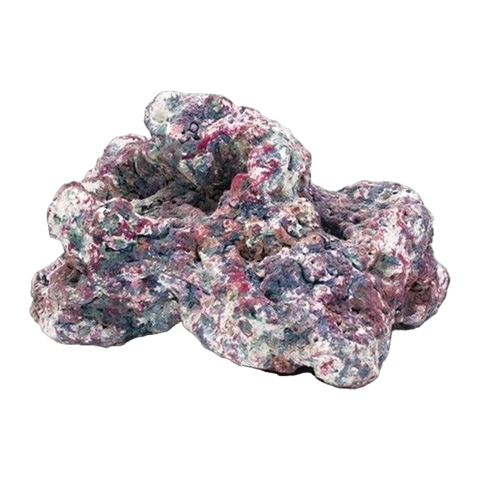
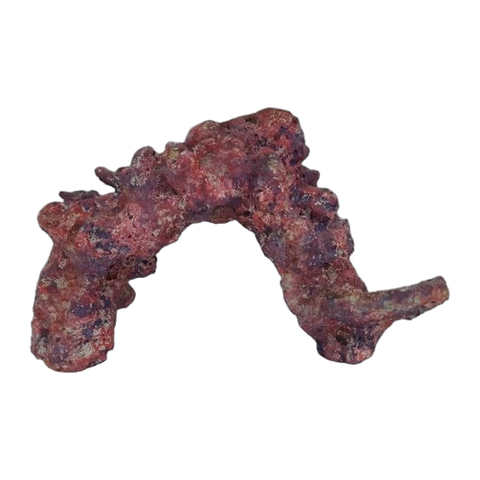
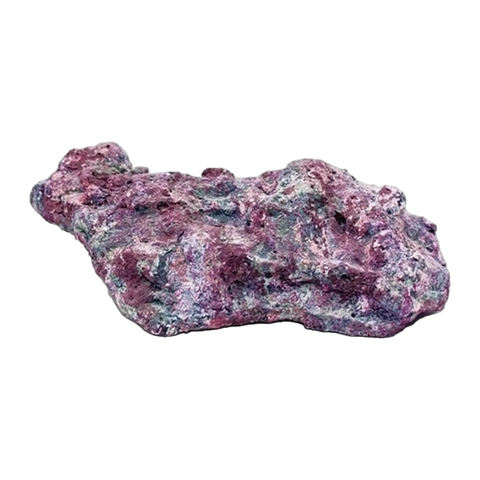
Java Reef Branching Reef Rock Per Kg

Pack size
Per kg
Water type
Marine
Java Reef Branching Reef Rock Per Kg
Open, branch-shaped dry rock built for flow, not filler. Java Reef Branching Reef Rock is dry, hand-manufactured aquascaping rock shaped into branch- and finger-like formations, sold per kilogram. Where Base Rock builds the footprint, Branching pieces create the open, coral-friendly gaps that reef fish and flow need to move through. Made from natural, sustainable, reef-safe material, it carries no die-off risk, because it's never been alive.
Key features
- Branch and finger shapes – open formations that create swim-through gaps and multiple attachment points for corals, instead of a solid wall.
- Dry, not live – no curing cycle or die-off smell to manage before stocking, because it's never held living tissue.
- pH-neutral – won't leach phosphate or nitrate into the water column, and comes free of hitchhiking parasites.
- Lightweight and porous – easier to build a tall, open structure without adding excess dead weight to the tank base.
- Sold per kilogram – order the quantity that matches how much open structure you're adding on top of a base layer.
Specifications
| Type | Branching rock (open structure) |
|---|---|
| Material | Dry, hand-manufactured, reef-safe rock |
| Water type | Marine |
| Curing needed | No – inert, never alive |
| Rinsing | Not specified by the manufacturer; a rinse under tap water clears handling dust |
| Sold as | Per kilogram – quantity ordered is the kilograms received |
How much do I need?
Branching pieces are typically used to build the upper, open part of an aquascape rather than its full volume, so budget less by weight than for Base Rock alone – most aquascapers use branching rock for roughly the upper third to half of the structure, on top of a Base Rock footprint. The same general guides apply to the combined weight of your rockwork: traditionally around 0.12–0.24 kg of dry rock per litre of tank volume for a fully rock-scaped look, or a lighter flat 4.5–9 kg total for a more open, modern aquascape. Because pieces are natural and irregular, weight per piece varies.
Suitable for, and not suitable for
- Suitable for building open, high-flow aquascapes and giving corals multiple attachment points at different heights.
- Not recommended as the entire load-bearing structure of a tall aquascape on its own – branching pieces have less contact area than solid base rock, so they're typically stacked on or alongside Base Rock rather than used to build a tank's full structure from the substrate up.
Which grade do I need?
| Grade | Shape | Best for |
|---|---|---|
| Base Rock | Irregular structural chunks | The main footprint and load-bearing base of the aquascape |
| Branching Reef Rock | Branch- and finger-like pieces | Open, coral-friendly structures with plenty of flow-through gaps |
| Reef Arches | Natural arch and overhang formations | Caves, swim-throughs and shaded overhangs |
| Reef Plates | Flat, shelf-like pieces | Ledges, terracing and shallow coral placement |
Care and maintenance
No ongoing maintenance beyond normal aquascape care. Unlike live rock, there's no die-off period to watch for after adding it to the tank.
Warranty and delivery
Covered by the standard consumer guarantees under Australian Consumer Law, in addition to any manufacturer assurance. Sold by weight, so freight cost scales with the kilograms ordered.
Common questions
Can corals attach directly to Branching Reef Rock?
Yes – like other Java Reef Rock grades, it's manufactured to be reef-safe and porous, giving corals a stable surface to attach to over time.
Do I need Base Rock as well, or can I build with Branching alone?
Branching pieces work best stacked on or alongside a Base Rock footprint. Used entirely on their own, an aquascape has less contact area and can be less stable.
Will it raise my phosphate or nitrate?
The manufacturer states the material is pH-neutral and doesn't leach phosphate or nitrate.
Does it need curing before I add it to my tank?
No – because it's never held living tissue, there's no die-off smell or ammonia spike to manage. A quick rinse to clear handling dust is enough.
How is Branching different from Reef Arches?
Branching pieces are open, finger-like formations for flow-through structures and coral attachment points; Arches are pre-formed overhangs for caves and swim-throughs.